
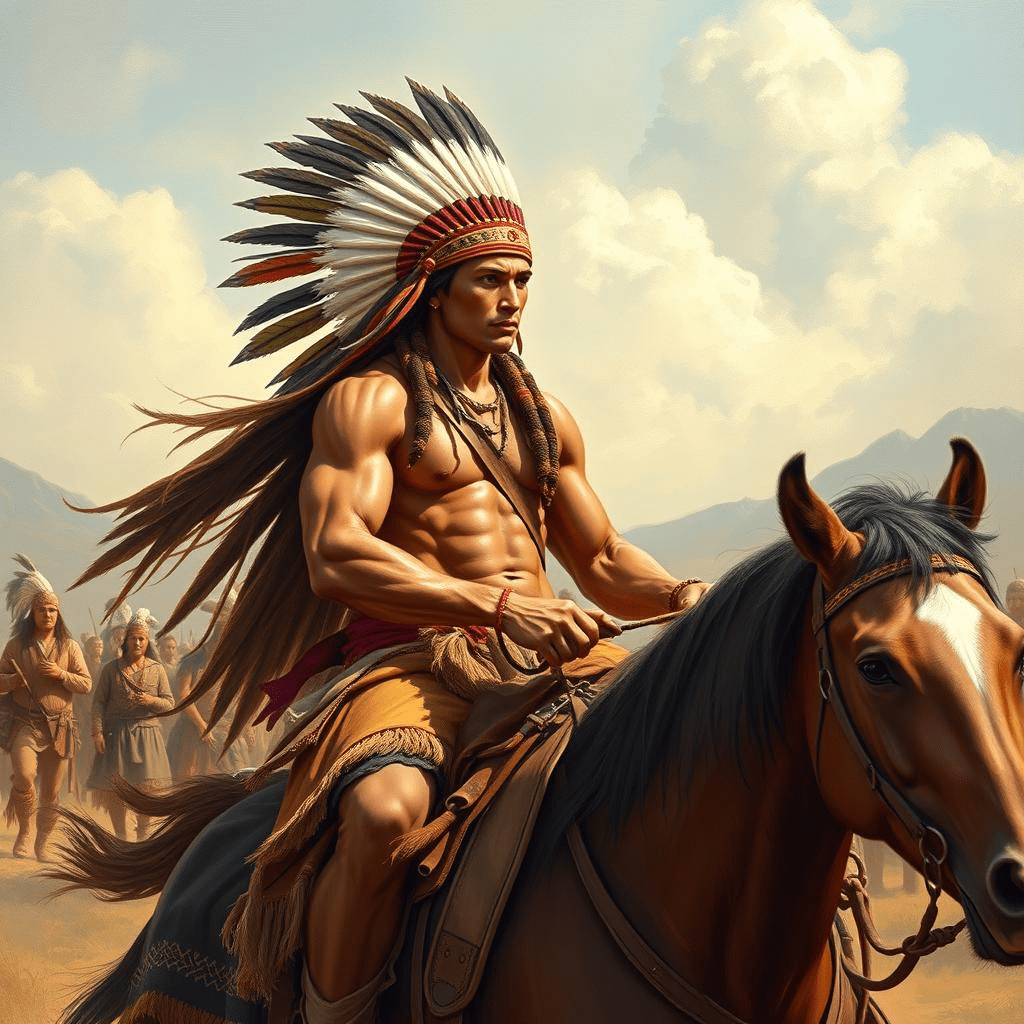
THE TRUE NORTH AMERICANS: HOW NATIVE AMERICANS SHAPED STATE NAMES
Did you know that half of all U.S. states—25 in total—have names rooted in Native American languages? The real North Americans were the Indigenous tribes who lived across the continent long before European settlers arrived. Many of these tribes gave their names to the land, forever shaping the identity of the United States.
Let’s explore some of these state names, their meanings, and the rich heritage they represent.
Native American State Names and Their Meanings
- Alabama – Derived from the Alabama tribe (Alibamu), a Muskogean-speaking people. Some sources say it means “clearers of the thicket”, while others suggest “gatherers of herbs.”
- Alaska – From the Aleut word “alaxsxaq,” meaning “the mainland.”
- Arizona – Comes from the O’odham phrase “al ĭ ṣonak,” meaning “little spring.”
- Connecticut – Taken from the Mohican word “quonehtacut,” meaning “place of the long tidal river.”
- Hawaii – The original Hawaiian word means “homeland.”
- Illinois – Named after the Illinois (Illiniwek) tribe, meaning “men.”
- Iowa – Named after the Ioway tribe; their name translates to “gray snow.”
- Kansas – From the Kansa tribe, meaning “people of the south wind.”
- Kentucky – Its exact origin is uncertain, but it may come from the Iroquoian word “Kentake,” meaning “in the meadow.”
- Massachusetts – From the Algonquin phrase “Massadchu-es-et,” meaning “big-hill-little-place.”
- Michigan – Derived from the Chippewa word “Michigama,” meaning “big lake.”
- Minnesota – From the Dakota Indian word “Minisota,” meaning “white water.”
- Mississippi – Named after the great river, using the Choctaw term meaning “big water” or “father of waters.”
- Missouri – Named after the Missouri tribe, meaning “those who have dug canoes.”
Beyond the Names: A Legacy of Connection to the Land
The Native American influence on state names is a testament to their deep connection with nature, geography, and cultural identity. These names reflect the rivers, valleys, hills, and natural resources that shaped their way of life. Even today, these words remind us of the rich Indigenous heritage that laid the foundation for modern America.
A Biblical Parallel: Names with Meaning and Identity
Just as Native American tribes named places based on their identity, biblical names also carried deep significance. In the Bible, God often gave new names to individuals to signify their purpose and calling. For example:
- Abram became Abraham (Genesis 17:5) – meaning “father of many nations.”
- Jacob became Israel (Genesis 32:28) – meaning “one who wrestles with God.”
- Simon became Peter (Matthew 16:18) – meaning “rock,” symbolizing his role in the early church.
Existing Places Today That Are in the Bible
Many places that exist today were mentioned in the Bible and still hold their biblical names:
- Jerusalem (Psalm 122:6) – The holy city of peace and the spiritual center of Judaism and Christianity.
- Bethlehem (Micah 5:2, Luke 2:4-7) – The birthplace of Jesus Christ.
- Jericho (Joshua 6:1-27) – The city whose walls fell after Israel marched around it.
- Nazareth (Luke 1:26) – The hometown of Jesus.
- Egypt (Genesis 41:41-43) – The land where Joseph rose to power and where Israel was enslaved before the Exodus.
- Jordan River (Matthew 3:13-17) – The river where Jesus was baptized by John the Baptist.
- Mount Sinai (Exodus 19:20) – Where Moses received the Ten Commandments.
Modern Countries Named After Noah’s Descendants
The descendants of Noah in Genesis played a crucial role in shaping nations, some of which still bear their names today:
- Cush (Ethiopia) – Genesis 10:6 describes Cush as the ancestor of the Ethiopian region.
- Mizraim (Egypt) – Genesis 10:6 names Mizraim as the forefather of Egypt.
- Canaan (Modern Israel/Palestine region) – Genesis 10:6-19 describes the Canaanites’ land.
- Elam (Persia/Iran) – Genesis 10:22 references Elam, associated with the region of Persia.
- Asshur (Assyria/Iraq) – Genesis 10:22 identifies Asshur as the founder of Assyria, linked to modern Iraq.
- Javan (Greece) – Genesis 10:2 names Javan as the forefather of the Greek people.
Implication: The Power of Names in Shaping Identity
Names are more than just labels—they define legacy, purpose, and history. Just as Native American names reflect their deep relationship with the land, biblical names remind us of our spiritual calling. Whether through heritage or faith, names carry meaning that shapes identities for generations to come.
🌎 Let’s honor the history behind these names and recognize the importance of identity, both in our culture and in our faith.
SOLI DEO GLORIA
 Mobile Bible School Inc.