
Understanding Latin Academic Distinctions: Honoring Excellence in Education and Ministry
Latin academic honors have long been used to recognize levels of excellence in scholarship, leadership, and service. Whether earned through rigorous study, meritorious achievements, or honorary recognition, these distinctions highlight the dedication and mastery of an individual in their field. In theology, ministry, and other academic disciplines, these honors serve as a testament to one’s pursuit of knowledge and excellence.
Latin Honors: Recognizing Academic Excellence
Many universities and theological institutions award Latin honors to distinguish graduates based on their academic performance. These are typically classified as follows:
- Cum Laude (“With Praise”) – Given to students who have performed above average, demonstrating solid academic achievement.
- Magna Cum Laude (“With Great Praise”) – A higher distinction awarded to students with excellent academic records.
- Summa Cum Laude (“With Highest Praise”) – The highest honor, reserved for those who have demonstrated exceptional mastery of their studies.
- Egregia Cum Laude (“With Extraordinary Praise”) – Sometimes used to honor students whose work is considered outstanding beyond the usual standards.
- Maxima Cum Laude (“With the Utmost Praise”) – Used by some institutions for graduates ranked in the top 1% of their class.
Beyond Latin Honors: Special Academic Distinctions
Apart from standard academic honors, several other Latin distinctions recognize different forms of accomplishment:
- Honoris Causa (“For Honor”) – An honorary degree awarded to individuals who have made remarkable contributions in their field without completing formal academic requirements. Many prominent theologians and scholars have received this distinction for their impactful work in ministry, literature, and education.
- Laureatus (“Crowned with Laurels”) – A title given to individuals who have achieved high distinction in a particular discipline, often used for scholars, theologians, and artists. This term historically refers to those who were symbolically honored with a laurel wreath for their intellectual achievements.
- Completus (“Completed”) – This designation signifies that an individual has successfully fulfilled all academic requirements for a degree or program. It emphasizes the commitment and perseverance required to complete formal studies in theology or ministry.
- Absolutus (“Fully Accomplished”) – A distinction that indicates a comprehensive mastery of a subject. This term is sometimes used in theological education to recognize individuals who have completed advanced studies with a profound depth of understanding.
Formally Enrolled But Has Not Received a Degree
a person who has formally enrolled, attended all lectures, and completed studies but has not necessarily received a degree could be referred to as:
- “Studiosus Perfectus” – meaning “one who has studied completely”
- “Scholasticus Emeritus” – meaning “a scholar who has completed studies but is not necessarily awarded a degree”
- “Auditor Eruditus” – meaning “a learned listener” (implying deep academic engagement)
- “Magistri Candidatus” – meaning “a candidate for mastery” (if they have mastered the field but not been formally awarded a title)
- “Peritus Disciplinae” – meaning “an expert in the discipline”
The Value of Academic and Honorary Distinctions
These Latin distinctions serve as more than just academic titles—they reflect a commitment to scholarship, personal growth, and service to society. Whether earned through academic rigor (cum laude distinctions), through meritorious contribution (honoris causa, laureatus), or by fulfilling all requirements (completus, absolutus), these honors recognize individuals who have dedicated themselves to the pursuit of knowledge and excellence.
In the context of theological education and ministry, these distinctions are especially significant. They not only validate one’s academic and spiritual journey but also serve as an encouragement for lifelong learning and impactful service in the Kingdom of God.
HONORARY DEGREE GRADUATES
We recognize and honor the outstanding individuals who have demonstrated exceptional dedication, impact, and service in their respective fields. Their unwavering commitment to ministry, leadership, and community transformation has earned them this prestigious recognition.
This honorary degree is not just a title. It is a testament to their years of faithfulness. It reflects their influence and contribution to the Kingdom of God. This milestone serves as both a reward for past achievements and an inspiration for greater works ahead!
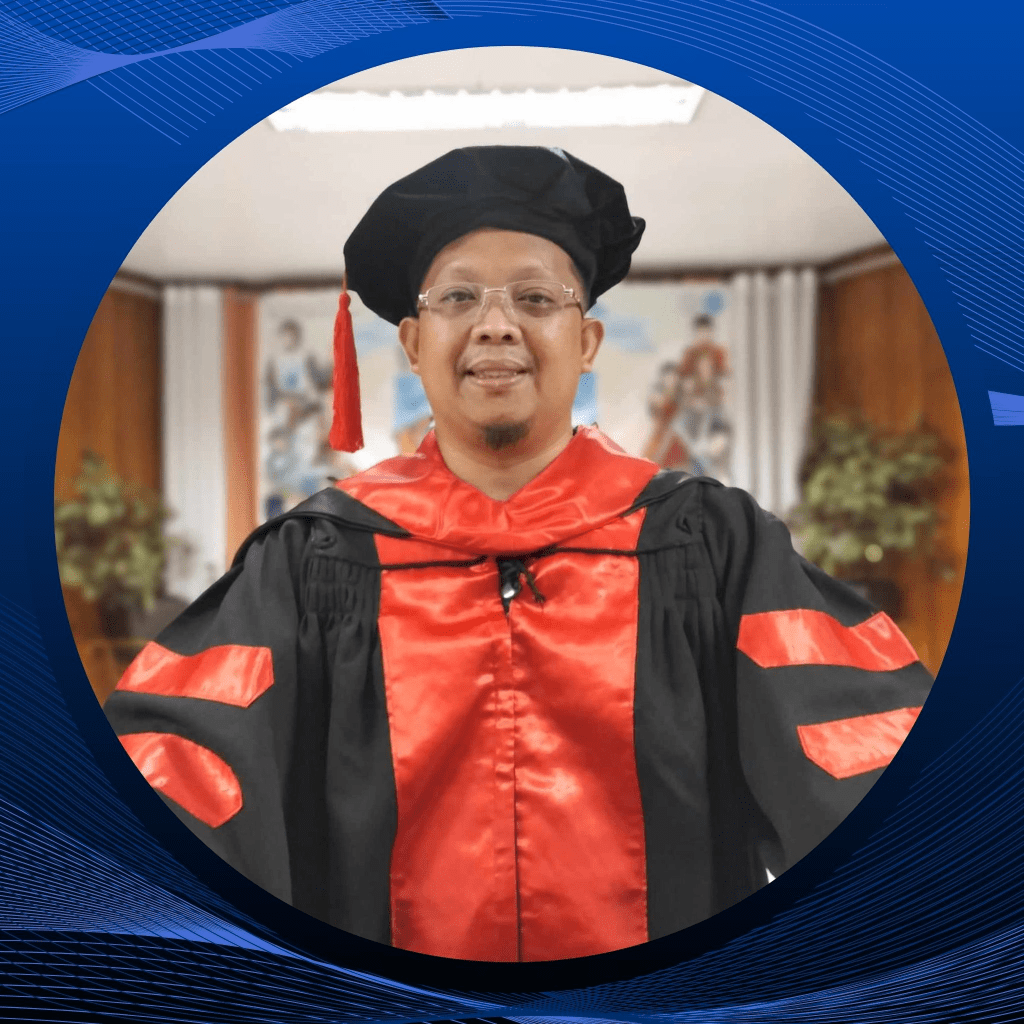
Dr. Roy S. Gaysanes
(Th.M., D.Div.)

Dr. Rocky Flores Undangan
(MD, PhD., D.Miss)
Get a fresh weekly sermon Power Points (PPT), just be a PASTOR’S NOTEBOOK SUBSCRIBER!

