
HEBREW 101: INTRODUCTION TO BIBLICAL HEBREW
Course Description
This course introduces students to the fundamentals of Biblical Hebrew reading and writing. It covers the Hebrew alphabet, vowels, pronunciation, basic grammar, and reading simple biblical texts. By the end of the course, students will be able to recognize and write Hebrew letters. They will read simple words. Students will also understand the basics of Hebrew phonetics and structure.
About our Professor
Dr. Rhoderick de Vera D.Min.
Pastor | Theologian | Missionary | Educator | Founder of Mobile Bible School
Dr. Rhoderick Alcaide De Vera is a dedicated pastor, theologian, and missionary with a passion for equipping believers for kingdom work.

Course Objectives
MBS uses a holistic approach in every syllabus. It integrates cognitive (knowledge-based) learning. It also includes affective (emotional and attitudinal) aspects. Additionally, volitional (action and commitment-based) learning is incorporated. This ensures meaningful engagement with every course.
Cognitive (Knowledge-based Learning Objectives)
- Recognize the Hebrew consonants and vowels.
- Review the basic structure of Hebrew words.
Affective (Emotional and Attitudinal Learning Objectives)
- Recite Hebrew words correctly.
- Read simple verses from the Hebrew Bible with appreciation.
Volitional (Action and Commitment-Based Learning Objectives)
- Refine foundational skills for further Hebrew study.
Enroll this subject: Click to register.
SYLLABUS
Read Syllabus Details
START HEBREW 1 LESSON
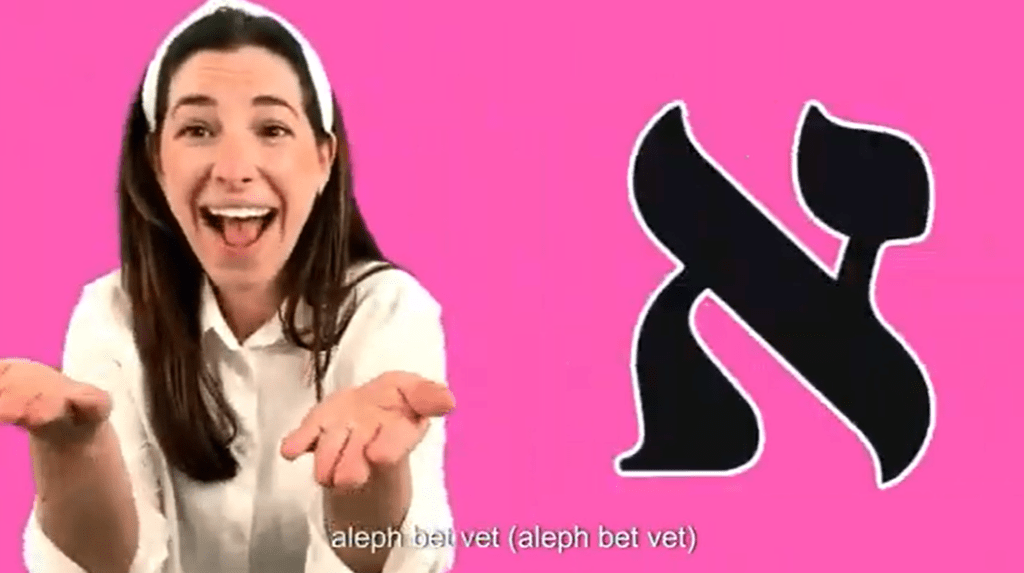
MODULE 101: Introduction to the Hebrew Alphabet
Introduction to the Hebrew Alphabet
• 1. Overview of Biblical Hebrew: History and Significance (Lost in Translation)

• 2. Hebrew Alphabet (Aleph to Tav): Recognizing and Writing Consonants

• 3. Right-to-Left Reading Orientation
• 4. Introduction to Final Letters (Sofit Forms)
• 5. Practice: Writing and Pronouncing Basic Letters
MODULE 102: Hebrew Vowels and Syllable Formation
Hebrew Vowels and Syllable Formation
• 1. Understanding Hebrew Vowel Signs (Nikkud)
• 2. Short, Long, and Reduced Vowel Sounds
• 3. How Consonants and Vowels Combine to Form Syllables
• 4. Practice: Writing and Reading Simple Words (e.g., אָב, אֵם, תּוֹרָה)
• 5. Introduction to the Shewa and Dagesh
• 6. Dagesh Forte and Dagesh Lene
• 7. Vocal and Silent Sheva (External Reading Exercise)
MODULE 103: Building Hebrew Words and Basic Grammar
Building Hebrew Words and Basic Grammar
Lesson 1: Open vs. Closed Syllables
Objectives:
- Understand how Hebrew syllables work
- Identify open (CV) and closed (CVC) syllables
- Break down Hebrew words by syllables for accurate reading
What Is a Syllable?
In Biblical Hebrew, every syllable must have a vowel.
Hebrew syllables can be classified into two types:
| Type | Description | Structure | Example | Syllables |
| Open | Ends in a vowel | CV | בָּא (ba) | Open |
| Closed | Ends in a consonant | CVC | מֶלֶךְ (melek) | Closed, Closed |
How to Identify Syllables:
- Look for vowel points (niqqud).
- See if the vowel is followed by a consonant or ends the word.
- If the vowel is followed by a consonant, it’s closed. If not, it’s open.
Examples: Mark Syllables and Identify Type
| Hebrew Word | Syllable Breakdown | Type |
| שָׁלוֹם (shalom) | שָׁ / לוֹם | Open / Closed |
| תּוֹרָה (torah) | תּוֹ / רָה | Open / Open |
| מֶלֶךְ (melek) | מֶ / לֶךְ | Open / Closed |
| אָב (av) | אָב | Closed |
| דָּוִד (david) | דָּ / וִד | Open / Closed |
| אֵם (em) | אֵם | Closed |
| בָּא (ba) | בָּא | Open |
| נָבִיא (navi) | נָ / בִיא | Open / Open |
| סֵפֶר (sefer) | סֵ / פֶר | Open / Closed |
| גָּדוֹל (gadol) | גָּ / דוֹל | Open / Closed |
Practice Activity:
Write your own syllable breakdown and label each syllable as “Open” or “Closed” for these words:
רָחוֹק
חָכְמָה
אֱמֶת
תְּהִלָּה
יִשְׂרָאֵל
Lesson 2: Common Hebrew Word Patterns (Mishkalim)
Objectives:
- Understand the role of 3-letter roots (שורש – shoresh)
- Recognize noun and verb patterns
- Learn how roots fit into patterns to form meaning
What is a Shoresh?
A shoresh is a 3-consonant root that expresses a basic idea.
Patterns (מִשְׁקָלִים – mishkalim) apply vowels and structures around the root to form nouns, adjectives, and verbs.
Common Word Patterns with Examples:
| Pattern | Root | Word | Translation | Type |
| קָטַל | כ-ת-ב | כָּתַב | he wrote | Verb (Qal Perfect) |
| קָטֹל | ש-ל-ם | שָׁלוֹם | peace | Noun |
| קִטֵּל | ב-ר-ךְ | בֵּרֵךְ | he blessed | Intensive Verb (Piel) |
| הִקְטִיל | י-ש-ע | הִצִּיל | he delivered | Causative (Hiphil) |
| הִתְקַטֵּל | פ-ל-ל | הִתְפַלֵּל | he prayed | Reflexive (Hitpael) |
| מִקְטָל | ש-פ-ט | מִשְׁפָּט | judgment | Abstract Noun |
| קְטֵלָה | ש-ו-ב | תְּשׁוּבָה | answer/return | Feminine Noun |
| קַטָּן | ק-ט-נ | קָטָן | small | Adjective |
| קָטֵל | ח-כ-ם | חָכָם | wise | Adjective |
| קָטוֹל | ב-ש-ל | בָּשׁוּל | cooked | Passive Participle |
Practice Activity:
Identify the root and pattern of these words:
תְּפִלָּה
מֶלֶךְ
הִשְׁלִיחַ
תְּרוּמָה
שָׁאַל
גָּדוֹל
סֵפֶר
נָבִיא
בְּרִית
מַבּוּל
Lesson 3: The Definite Article and Ten Simple Prepositions
Objectives:
- Understand and use the Hebrew definite article הַ
- Memorize and use 10 simple prepositions
- Practice attaching prepositions to nouns and phrases
The Definite Article: הַ
- Means: “the”
- Added to the beginning of a noun
- Often causes the next letter to take a dagesh (a dot)
| Noun | With Article | Meaning |
| סֵפֶר | הַסֵּפֶר | the book |
| אִישׁ | הָאִישׁ | the man |
| מֶלֶךְ | הַמֶּלֶךְ | the king |
Note: With guttural letters (א, ה, ח, ע, ר), the dagesh is usually omitted, and the vowel under ה may change.
Ten Basic Prepositions
| Preposition | Meaning | Example | Translation |
| בְּ (bᵉ) | in | בְּסֵפֶר | in a book |
| לְ (lᵉ) | to / for | לַמֶּלֶךְ | to the king |
| כְּ (kᵉ) | like / as | כַּאִישׁ | like a man |
| מִן (min) | from | מִן־הָאֲדָמָה | from the ground |
| עַל (al) | on / upon | עַל־הַשֻּׁלְחָן | on the table |
| אֶל (el) | to / toward | אֶל־הַבַּיִת | to the house |
| עִם (im) | with | עִם־הַמֶּלֶךְ | with the king |
| תַּחַת (taḥat) | under | תַּחַת־הָעֵץ | under the tree |
| מִבֵּין (mibbein) | from between | מִבֵּין־הַדְּבָרִים | from between the things |
| לִפְנֵי (lifnei) | before / in front of | לִפְנֵי־אֱלֹהִים | before God |
Practice Activity:
Translate the following phrases:
כַּסֵּפֶר
בַּבַּיִת
לַמֶּלֶךְ
מִן־הָאָרֶץ
עַל־הַסֵּפֶר
אֶל־הַנָּבִיא
תַּחַת־הַשָּׁמַיִם
עִם־הָאִשָּׁה
מִבֵּין־הַמֶּלֶכִים
לִפְנֵי־הַכֹּהֵן
Lesson 4: Recognizing and Reading Simple Nouns and Verbs
Objectives:
- Recognize basic nouns and verb forms
- Read and translate short Hebrew phrases
- Understand basic sentence order and grammar
Common Nouns (with articles):
| Noun | Meaning | With Article |
| אִישׁ | man | הָאִישׁ |
| אִשָּׁה | woman | הָאִשָּׁה |
| יֶלֶד | boy | הַיֶּלֶד |
| סֵפֶר | book | הַסֵּפֶר |
| בַּיִת | house | הַבַּיִת |
| מֶלֶךְ | king | הַמֶּלֶךְ |
| דֶּרֶךְ | way | הַדֶּרֶךְ |
| אֵם | mother | הָאֵם |
| עִיר | city | הָעִיר |
| עַם | people | הָעָם |
Common Verbs (Qal Perfect 3ms):
| Verb | Meaning | Sample Sentence |
| אָמַר | he said | אָמַר אֱלֹהִים |
| בָּרָא | he created | בָּרָא אֱלֹהִים |
| כָּתַב | he wrote | כָּתַב הַמֶּלֶךְ |
| רָאָה | he saw | רָאָה הָאִשָּׁה |
| שָׁמַע | he heard | שָׁמַע הַיֶּלֶד |
| עָמַד | he stood | עָמַד עַל־הַדֶּרֶךְ |
| יָשַׁב | he sat | יָשַׁב בַּבַּיִת |
| לָקַח | he took | לָקַח סֵפֶר |
| נָתַן | he gave | נָתַן לַמֶּלֶךְ |
| יָדַע | he knew | יָדַע הַנָּבִיא |
Practice Activity:
Translate and explain grammar (identify noun, verb, preposition):
יָשַׁב עִם־הַכֹּהֵן
כָּתַב הַיֶּלֶד
רָאָה אִשָּׁה
יָשַׁב בַּבַּיִת
נָתַן לַמֶּלֶךְ
עָמַד עַל־הַדֶּרֶךְ
שָׁמַע הָעָם
בָּרָא אֱלֹהִים אֶת־הַשָּׁמַיִם
אָמַר הַנָּבִיא
לָקַח מִן־הַסֵּפֶר
About
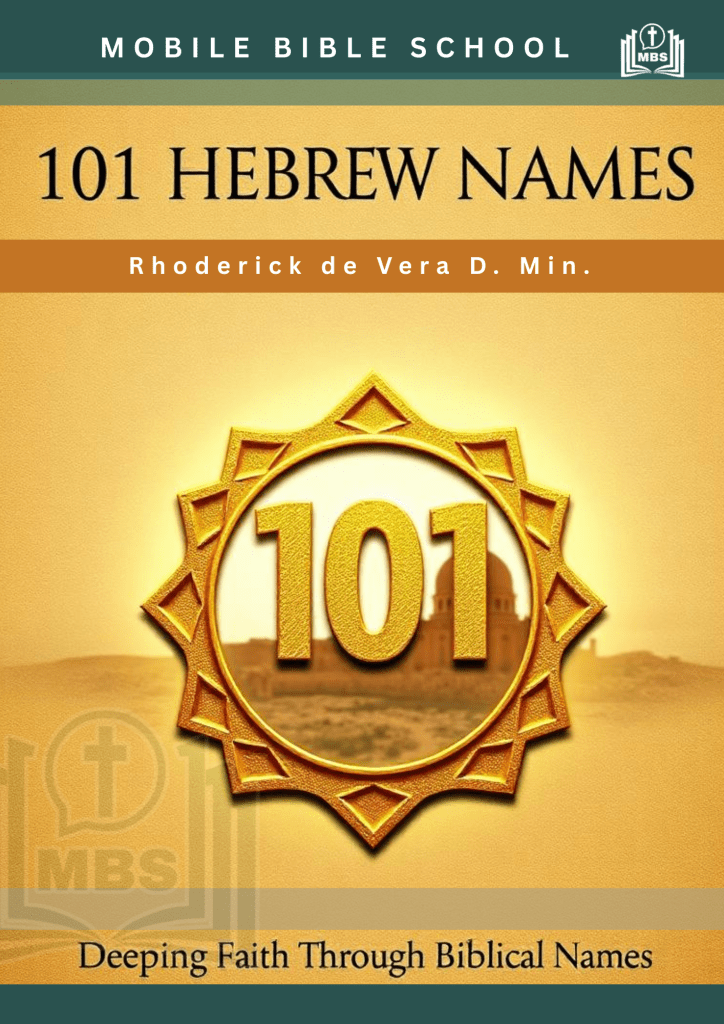
101 HEBREW NAMES:
FREE EBOOK FOR REGISTERED STUDENTS UNDER HEBREW 101
MODULE 104: Reading and Writing Short Biblical Passages
Reading and Writing Short Biblical Passages
• Reading from Genesis 1:1 (בְּרֵאשִׁית בָּרָא אֱלֹהִים…)
• Common Biblical Vocabulary
• Introduction to Hebrew Root System (Shoresh)
• Practice: Copying and Writing Verses in Hebrew
• Discussion on Hebrew Word Meaning in Context
MODULE 105: Strengthening Reading Skills and Final Review
Strengthening Reading Skills and Final Review
• Reading Short Psalms and Proverbs Verses
• Recognizing Common Biblical Names and Their Meanings
• Writing Short Sentences in Hebrew
• Final Practice: Transliteration and Reading Fluency
• Q&A and Next Steps for Further Hebrew Study
PRACTICUM
• Weekly reading and writing exercises (tracing sheets)
• Practice drills for letter recognition and pronunciation
• Final reading challenge (short verse)
ZOOM SCHEDULE
February 26 Lesson 1: Introduction to the Hebrew Alphabet
Lesson 2: Hebrew Vowels and Syllable Formation
March 5: Lesson 3: Building Hebrew Words and Basic Grammar
Lesson 4: Reading and Writing Short Biblical Passages (Reading Genesis Chapter 1)
March 19: Lesson 5: Strengthening Reading Skills and Final Review
GRADING SYSTEM: Self-Pacing
This is a self-paced course. The grading system focuses on mastery, engagement, and practical application. It does not rely on traditional time-based assessments. The total grade will be 100%, distributed as follows:
Grading Components
- Quizzes & Assessments (30%)
• Online quizzes after each module (multiple-choice, matching, and short answer).
• Tests on Hebrew alphabet, vowels, basic vocabulary, and sentence structure.
• Automatic grading for objective parts; manual review for written components. - Translation & Reading Exercises (25%)
• Submission of recorded audio readings of Hebrew words and verses.
• Short written translations of selected Hebrew passages.
• Evaluation based on pronunciation, fluency, and accuracy. - Workbook & Written Assignments (20%)
• Completion of workbook exercises (provided in PDF or online format).
• Short reflective essays on the significance of learning Hebrew for biblical interpretation.
• Graded based on completion, accuracy, and depth of understanding. - Final Project (15%)
• Students will choose one of the following:
o Translate and analyze a short Hebrew verse.
o Record a reading of a Psalm or Torah passage.
o Write a reflection on how learning Hebrew has impacted their biblical study.
• Evaluated based on accuracy, comprehension, and presentation. - Engagement & Progress (10%)
• Regular participation in online discussions, Q&A sessions, or forums.
• Consistent progress through course modules (monitored via the LMS).
• Optional live check-ins for pronunciation coaching.
Grading Scale 4.0
| Percentage | Grade | 4.0 Scale | Description |
|---|---|---|---|
| 97 – 100% | A+ | 4.0 | Excellent Mastery |
| 93 – 96% | A | 3.75 | Strong Understanding |
| 90 – 92% | A- | 3.50 | Good with Minor Errors |
| 87 – 89% | B+ | 3.25 | Above Average |
| 83 – 86% | B | 3.00 | Satisfactory |
| 80 – 82% | B- | 2.75 | Needs Some Improvement |
| 75 – 79% | C | 2.50 | Basic Understanding |
| 70 – 74% | D | 2.00 | Limited Mastery |
| Below 70% | F | 0.00 | Needs Further Study |
COURSE RESOURCES AND REFERENCES
Click to Access Online Tools
Required: Handouts with Hebrew letters, vowels, and exercises are needed.
Recommended: The book titled “The First Hebrew Primer” is authored by Simon, Resnikoff, and Motzkin.
Online Tools: Click to download.
Blue Letter Bible
This provides a comprehensive Bible study tool with multiple translations, interlinear texts, and commentaries.
Features
• Includes Strong’s Concordance for Hebrew and Greek word studies.
• Offers lexicons, dictionaries, and historical commentaries to aid in deep biblical analysis.
• Features audio and video resources for in-depth learning.
StepBible.org
Developed by Tyndale House, StepBible is an advanced interlinear Bible
Features
• Supports original Hebrew and Greek texts with parsing and definitions.
• Allows users to compare translations side by side and explore original meanings.
• Includes search and filtering tools for specific word studies and themes.
Sefaria.org
A digital library of Jewish texts, including the Hebrew Bible, Talmud, Midrash, and commentaries.
Features
• Provides side-by-side Hebrew-English translations for easy study.
• Features interactive cross-references between biblical and rabbinic texts.
• A great tool for understanding Jewish interpretations and historical insights into Hebrew Scriptures.
Click to Access E-book references
Ebook References: Click to Download
Online Hebrew Tutorial by Ben Stitz
• A beginner-friendly self-paced tutorial covering the Hebrew alphabet, vowels, and pronunciation.
Features
• Includes step-by-step exercises to help learners read and recognize Hebrew words.
• Suitable for those looking for a structured yet accessible introduction to Biblical Hebrew.
Hebrew for Biblical Interpretation (Resources for Biblical Study)
• Focuses on learning Hebrew for in-depth Bible study rather than just language acquisition.
Features
• Provides tools to analyze Hebrew texts, understand grammatical structures, and perform word studies.
• Ideal for students, pastors, and scholars interested in exegesis and biblical interpretation.
Learning Hebrew 101
• A fundamental Hebrew learning guide designed for beginners.
Features
• Covers basic vocabulary, sentence structures, and essential grammar rules.
• Helps learners develop reading and pronunciation skills through practical exercises.
The First Hebrew Primer by Simon – Resnikoff & Motzkin
• A well-structured and widely used textbook for learning Biblical Hebrew.
Features
• Introduces verb conjugations, sentence structures, and translation exercises.
• Includes progressive lessons with practice readings from the Hebrew Bible.
• Ideal for both self-study and classroom learning.
Click to Access External Video Lessons
Video Cross-Reference
From HebrewPod101
From Old Sage
LIVE ZOOM LESSON WITH OUR MENTOR


ENROLL IN OUR SHORT COURSES

One response to “HEBREW 101: Introduction to Biblical Hebrew”
-
Thank God for your life, Pastor Rhoderick! Your teaching is truly a blessing to us. I know that teaching is not easy, but because of your dedication and the wisdom that God has given you, you have shared it generously. Mobile Bible School is a great opportunity for people like me who want to study God’s Word and it’s very affordable too! Stay blessed, MBS!
LikeLike

SOLI DEO GLORIA


Leave a Reply